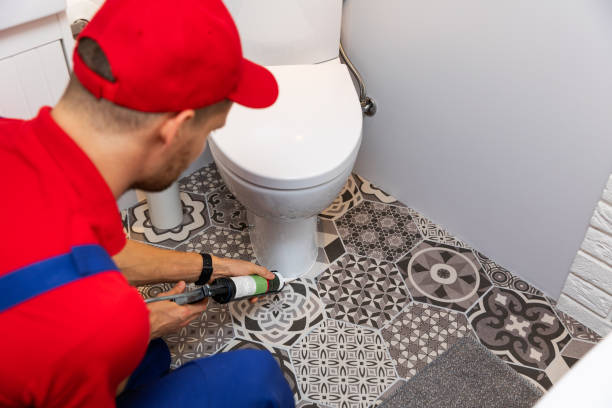
Waterproofing is a crucial component in protecting your home from water leaks, soaking walls, broken tiles and expensive repairs. But there is always one question that homeowners have: how long does bathroom waterproofing last? It will depend on the waterproofing material used, the bathroom being installed correctly, water use and maintenance. A properly installed bathroom waterproofing system can serve for 10 to 20 years in most cases, though the exact lifetime of the product on site depends on the conditions. Working with bathroom waterproofing contractors who are skilled in their craft can help to ensure the job is done right and minimise the likelihood of trouble. By gaining a better understanding of the lifespan of bathroom waterproofing, you can better schedule maintenance, know when there are signs of problems, and see when repairs or replacement may be needed.
“A strong waterproofing system protects more than your bathroom; it protects your home.”
The lifespan of bathroom waterproofing is not the same for every property. The life of some systems is many years, and others may fail earlier due to a variety of reasons associated with the surface preparation, materials and installation. Typically, many waterproofing systems installed by professionals will have a lifespan of about 10-20 years. This is an estimate; however, it is not a guaranteed service life. Products may have different useful life expectancies, depending on the product characteristics and how it is used.
Waterproofing will last according to several factors:
Material quality: High-quality waterproofing products designed for wet areas can provide reliable protection when used correctly.
Application: Incorrect installation, applying too thin a coating, or not treating joints can cause weak points.
Water exposure: Bathrooms used frequently may experience greater moisture exposure.
Building movement: Small cracks caused by structural movement can damage the waterproofing layer.
Maintenance: Promptly addressing leaking pipes, damaged grout, and sealant gaps can help prevent further problems.
Bathroom waterproofing does not fail simply because it becomes old. A lot of times, the issue kicks off with installation issues, poor product selection, or deterioration that occurs over time.
Quality of waterproofing materials: Cementitious coatings, liquid-applied membranes, and other waterproofing systems have different properties. The product must fit the substrate, anticipated water usage and installation requirements.
Surface preparation: Clean and prepare the floor and walls before the application of waterproofing material. Dust, loose cement, oil and other contaminants may have an adverse impact on adhesion and the formation of weak areas.
Application and curing: Waterproofing products must be applied in accordance with the manufacturer’s recommendations and left to cure in accordance with the manufacturer’s recommendations. If this process is rushed, it will result in a less effective system.
Corners and pipe openings: These areas are particularly vulnerable because water can enter through small gaps around joints, drains, and plumbing fixtures. Appropriate sealing and detailing are required to ensure a continuous waterproof barrier.
Building movement and cracks: Minor cracks in the substrate may allow water to pass through if the waterproofing system cannot accommodate the movement. It’s essential to find the root cause of the problem and address it before any repairs are made.
It is important to select the proper waterproofing approach to safeguard the floors, shower spaces, walls, etc. in a bathroom. Longevity is also determined by the type of product, installation, site conditions and not only by the method. No single bathroom waterproofing solution works in every bathroom. A professional assessment may be conducted by either a new house owner, a property owner or a home that is being renovated to find the best solution to the need for a new bathroom or an existing bathroom.
Common options include:
Cementitious waterproofing: This system is formed by a layer of cementitious materials. It is commonly used on bathroom floors and walls, as it can bond with appropriate mineral surfaces if applied properly.
Liquid-applied waterproofing membranes: These products are applied as a liquid and form a continuous membrane after curing. If properly detailed, they can be useful for covering complex shapes, corners and areas around plumbing fixtures.
Flexible waterproofing membranes: Flexible systems can help accommodate limited movement in the substrate. Using them in this type of application may depend on the product specification, and their use may allow minor movement or cracking of the floor.
Sheet membranes: These are pre-made waterproofing sheets that are laid on prepared surfaces. Getting the seams, corners and pipe penetrations right is vital to having the barrier continuous.
Waterproofing issues can happen over time, and it is also best to know the warning signs before it affects neighbouring rooms or lower floors. Failure of the waterproofing membrane does not necessarily indicate that these signs are present. These can be caused by leaking pipes, defective drainage, condensation or damaged grout. A properly conducted inspection clarifies, before the repair work is started, what the true cause of the breakdown is.
Keep an eye out for these signs:
Damp patches on walls or ceilings: Moisture appearing in the room below a bathroom may indicate a leak from plumbing, drainage, or the waterproofing system.
Peeling paint: Paint that bubbles, flakes, or develops discoloured patches may be affected by moisture.
Loose or hollow-sounding tiles: Water entering beneath tiles can contribute to adhesive deterioration, although poor installation can also cause this problem.
Persistent musty smells: A damp smell that remains despite cleaning may indicate trapped moisture.
Cracked grout or deteriorated sealant: Damaged joints can allow water to enter beneath tiled surfaces.
Efflorescence: White, powdery deposits on masonry can often be an indicator of moisture moving through the material.
Also Read This: Why Moisture Control Matters Long Before You See a Leak
When you have a bathroom that needs care on a regular basis, you can preserve it and minimise the risks of any impact from moisture on it. While maintenance may not be used as a tool to stop all waterproofing failures, it can certainly be used to determine whether a failure is occurring.
Here are some suggestions for homeowners:
Inspect grout and sealant regularly: Look at the joints that surround the bath, shower, wash basin and other fixtures. Use products appropriate to repair damaged sealant.
Fix any water leaks: Damage can be caused by a small leak from an out-of-sight pipe or tap connection even if no one is present.
Maintain unhindered drainage: Make sure water drains out of the space and does not stay on the floor for any long periods.
Do not break the tiled surface: Laying a waterproofed area over the roof and then impacting it with a drill or other cutting tool may cause puncturing to the roof’s membrane.
Maintain ventilation: Install an exhaust fan or adequate ventilation to minimise condensation and dampness at surfaces.
Arrange an inspection when problems appear: Never ignore a persistent damp spot, loose tile or unidentified water stain.
The problem can be addressed by either repairs or a full replacement, depending on its cause, location, and severity. Treatment of the obvious symptoms only may not end the problem if water has already worked its way through the underlying waterproofing.
Repair might be appropriate when:
Replacement or extensive restoration may be necessary when:
It’s important to have the leak’s source checked before starting on any major work. This might consist of plumbing line inspections, drainage, tile joint inspections, and examining soil substrate conditions depending on the issue. Waterproof bathroom contractors are professionals who can inspect the damage and determine if a complete waterproofing system or some localised repairs will be the better option.
Experienced contractors understand the importance of surface preparation, product compatibility, application thickness, curing time, and appropriate detailing. They may also be able to determine if the substrate on a section of the current roofing system necessitates a crack sealant or any other form of preparation prior to the installation of waterproofing.
The steps are typical of a professional process; they involve:
Site inspection: Inspecting the bathroom, any moisture issues found and the status of the existing bathroom surface.
Surface preparation: Removing unsuitable material, cleaning the substrate, and repairing defects where necessary.
Waterproofing application: Applying the selected system according to the manufacturer’s specifications.
Critical-area treatment: Sealing corners, joints, drains, and pipe penetrations using suitable materials.
Testing and inspection: Carrying out an appropriate water test, where suitable, before installing tiles or completing the next stage of work.
Ask the contractor about the product being used, the recommended maintenance, the water-testing procedure, and the warranty terms. A written warranty is useful, but its coverage and duration should be checked carefully because product warranties and workmanship warranties may differ.
“Small waterproofing precautions today can save you from major repairs tomorrow.”
Bathroom waterproofing is a long-term investment that helps protect your property from water seepage, dampness, and avoidable repair expenses. Although many properly installed systems can last around 10 to 20 years, their actual lifespan depends on material quality, workmanship, water exposure, and building conditions. Regular inspection and timely repairs can help prevent small issues from developing into major problems. If you are constructing a new bathroom or experiencing leakage in an existing one, choosing reliable bathroom waterproofing contractors is an important step.
Looking for the trusted Waterproofing Contractors? Well, we are the renowned Waterproofing Company. We are known for Waterproofing Chemical Manufacturers, Terrace Waterproofing Contractors, Bathroom Waterproofing Contractors. With innovative protection technologies, we help safeguard residential, commercial, and industrial structures against seepage, and long-term water-related deterioration. We offer Watpac Lamination 365, Watpac Paint Admixture, Watpac Black Flex Paste, Watpac Liquid Primer, Watpac Rubber Shield.

