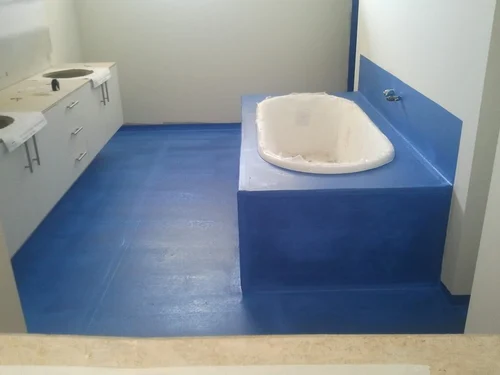
The clean appearance, modern design, and good organisation of a bathroom are impressive, but so is what occurs behind the tiles. Each day, bathrooms end up dealing with water, steam, humidity, soap buildup and constant temperature fluctuations. If not protected, moisture may work its way in through walls, floors, and joints, causing problems which may not manifest themselves right away. That’s where the Bathroom Waterproofing Contractors come in handy. They apply appropriate and effective waterproofing materials, use the correct application method and ensure proper surface preparation to provide a waterproof barrier against water penetration. Proper waterproofing can do well to protect the building from leaks while also contributing to its longevity.
“Strong waterproofing today means fewer bathroom problems tomorrow.”
Bathrooms are naturally wet areas. During bathing, cleaning, and normal use, water can come into contact with various surfaces. Tiles may give a waterproof finish, but on their own are not waterproof. Water can work its way through cracks, joints, pipe openings and gaps around your pipes, and through grout lines. Moisture can cause creaking, warping and other problems when it penetrates the surface.
Neighbouring walls or ceilings can also become damp; the paint may begin to peel, and foul odours may arise. Permanent exposure to wetness may damage the nearby structure in extreme cases. Waterproofing by professionals forms an extra water barrier under the elements that can be seen in the bathroom. It can prevent water from infiltrating areas where it can result in chronic impacts.
Properly waterproofing a bathroom involves more than just coating it with a waterproofing compound. There are a number of well-thought-out steps. Professional contractors assess the bathroom for weak points, follow up by cleaning surfaces, pick the right materials, and install them as necessary for the area.
The first step is to know what the problem is currently. Water-exposed areas, floors and walls, corners and drainage are all inspected by contractors. When the bathroom is undergoing renovation, they will also check for any existing cracks, moisture, loose tiles, broken grout or past waterproofing leaks. The inspection helps to identify the most appropriate waterproofing method. In the case of an existing bathroom, it is of particular importance to determine the source of the moisture. Just dressing the ‘wet’ area alone without fixing the issue may be a temporary patch.
The first step in providing good waterproofing is to prepare a proper surface. Many factors such as dust, dirt, loose particles, old coatings, damaged materials, and other contaminants can impact the bonding of waterproofing products. The contractors will clean and prepare the site prior to application of the waterproofing system. Cracks and deteriorated surfaces might require repair; uneven surfaces might need appropriate treatment. Additional attention is paid to corners and to wall-to-floor joints as they can be a problem on becoming vulnerable.
The bathroom floor is among the most crucial areas to safeguard owing to the fact that water usually gathers on the floor of the bathroom. Professional contractors apply a suitable waterproofing system onto the prepared surface, making sure to pay special attention around pipe openings, drainage and corners. The waterproofing should not only have adequate waterproofing performance, but also should be continuous, preventing the water from getting underneath easily.
Depending on the project, the contractor can apply liquid-applied membranes, a cementitious waterproofing system or another applicable product. The waterproofing often has to be designed prior to the installation of the last layer of the floor. This will leave a layer of protection between the tiles and the ceiling below.
Waterproofing is not always best confined to the floor. It’s also important to provide protection for any room where water is likely to get into or splash on the walls, like shower spaces. High-moisture areas are identified by contractors, and a waterproofing material is then applied to the appropriate height and area. It can mitigate the risk of moisture migrating through the walls and getting to other rooms. A building in an apartment setting, and a bathroom in particular, could be shared with a bedroom, a kitchen, a corridor or with other apartments. Proper waterproofing of the wall could be of great importance in this kind of scenario.
A common failing in the waterproofing system for any bathroom is the plumbing penetrations. In case of improper sealing, water may be able to leak through small spaces around the plumbing. Alterations made by professional contractors are treated around areas such as floor traps, drainage outlets, pipes that supply water, and any other penetration. Appropriate sealing materials and detailing techniques are employed to develop a more durable water barrier. Although it is a minor detail, handling them as they should be in a proper manner can have a deciding impact on the performance of the waterproofing system.
Corners, edges and joints are places where movement occurs and will normally be weak points when compared with large flat surfaces. These areas can cause a crack in the long-term if treated incorrectly. Where appropriate, waterproofing contractors apply reinforcing materials, sealants, tapes or compatible detailing solutions. These treatments can be utilised to consolidate weak levels of connectivity between different surfaces. Next, working professionally involves more than just covering large areas; it’s about safeguarding these little things.
The waterproofing materials may vary from bathroom to bathroom. The choice of product is usually determined by the surface, water exposure, building condition and project requirements at the time of choice by the contractor.
Cementitious Waterproofing
Waterproofing systems are made of cement-type compounds and are widely used in such areas as bathrooms. Can be used on appropriate concrete and masonry surfaces and offer protection against moisture
Liquid Waterproofing Membranes
A liquid-applied type waterproofing material is applied to the prepared surface, and then a continuous membrane is formed on the surface when the material cures. When used properly, they can be beneficial around corners and irregular areas.
Flexible Waterproofing Systems
Surface movement or alteration may occur in some areas only. Some waterproofing materials which can move with a certain flexibility may provide satisfactory protection where used in an appropriate waterproofing system.
Joint Sealants and Waterproofing Accessories
Joints, corners, drains and pipe penetrations can be surrounded with sealants, tapes, reinforcing fabrics and other accessories. These supplementary resources are crucial since every aspect of detail determines how waterproofing will happen.
“Invest in waterproofing today and protect your property for years to come.”
Waterproofing on surfaces that are not prepared before use can decrease its effectiveness because of the dusty, uneven, or damaged surface.
Leaks around water pipes: Gaps around water pipes can let water penetrate walls and floors.
Skipping Corners and Joints: Care must be taken to seal these disadvantaged spots in order to keep moisture out.
Using the Wrong Waterproofing Material: Choosing a product that is not suitable for bathroom surfaces can lead to premature failure.
Use of an Uneven Layer: Areas with inconsistent thickness of the layer may allow water to seep through.
Shortcutting the Curing Process: This can damage the performance of the waterproofing if it is rushed.
Overlooking Drainage Areas: Poor treatment around floor drains and traps can result in water accumulation and leakage.
The moisture-resistant bathroom starts down under. The areas where tiles and exposed finishes are not sufficient protection should be waterproofed. All bathroom waterproofing contractors are not created equal, though. Without being too cynical, the ones that have a little more experience have a greater resistance to water getting underneath. They know how to inspect properly and fix any damage done, which implies they know the proper methods for preparing the surface, applying the materials, and treating sensitive sections.
Whether it’s a new bathroom, an existing bathroom, or a bathroom that has a recurring issue of dampness, making a difference is achieved by professional waterproofing. Instead of waiting for moisture to cause a big problem, you can find ways to address the moisture in the bathroom before problems can arise so that you keep your bathroom, surrounding rooms, and property protected and help the space last longer in the future.
Looking for the trusted Waterproofing Contractors? Well, we are the renowned Waterproofing Company. We are known for Waterproofing Chemical Manufacturers, Terrace Waterproofing Contractors, Bathroom Waterproofing Contractors. With innovative protection technologies, we help safeguard residential, commercial, and industrial structures against seepage, and long-term water-related deterioration. We offer Watpac Lamination 365, Watpac Paint Admixture, Watpac Black Flex Paste, Watpac Liquid Primer, Watpac Rubber Shield.

