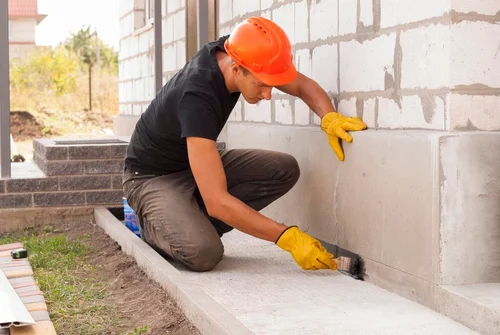
“Waterproofing works best when protection begins before the first visible drop appears.”
Water does not always wait for a leak to make itself known. It can slowly move through tiny cracks, joints, porous areas, and hidden areas of a building long before damp patches or visible damage appear. By the time a stain shows up on a wall or ceiling, moisture may already have been affecting the surface beneath it. This is why waterproofing should be viewed as a form of early building protection rather than something to consider only after a problem appears.
In this blog, we will explore why moisture control matters long before you see a leak, from understanding where moisture begins and how it travels to recognising the areas that need greater protection. For property owners looking for dependable waterproofing contractors in Chennai, knowing these basics can also help them understand what to look for when planning suitable waterproofing work.
There are more ways to get moisture into a building than one would think. Water can be brought into various areas of a building from the rain, groundwater, plumbing systems, joints that are not kept tight, and high humidity levels. This can sometimes stem from a problem in the building but also, in some instances, from a problem outside the building.
It is much easier to determine vulnerable areas to moisture problems before any can be seen if you know where it’s coming from. The building as a whole can provide clues to areas that may require water protection.
Common sources include:
Water infiltration, when it does get into a building, doesn’t necessarily remain in the same location. Water can seep into cracks, porous materials, joints, and gaps and sometimes even flow away from the initial entry point. This can make it challenging to determine the source of a damp patch just through visual inspection of the visible area.
Water can flow through:
A leak is not always apparent when there is a moisture problem. The first indications are sometimes not that obvious, such as a musty odor, a little discoloration, peeling paint, or the surface remaining damp longer than it should. These symptoms may be mistaken for absent water flow.
Materials may continue to be damp and in poor condition even if the surface is otherwise normal. By taking notice of the little adjustments, property owners can decide to check out an issue before it becomes almost as disruptive.
Symptoms can include:
When left in water for a long time, walls can absorb moisture over time. Porous materials can absorb water from the outside, rooms next to it, plumbing spaces, or the ground. This can occur over a period of time, so that damage is not obvious right away.
The water inside the wall can cause paint, plaster, coatings, and other finishes to be affected. If unprotected areas are identified and moisture sources located early, the possibility of water being trapped within the structure will be minimized.
Moisture in the wall will cause:
“Good waterproofing is not about hiding water damage; it is about preventing water from reaching vulnerable spaces.”
The worst moisture issues occur when they are not readily visible. Water can seep under tiles, behind wall finishes, under floors, and in wall joints and hidden areas. Damage to the surface may not be apparent until moisture has permeated a larger area.
Moisture may be present in:
Although concrete can be solid and very durable, it is possible that moisture can have an impact on the surrounding structure and finishes after a prolonged period of time. Water can be absorbed through the pores, joints, cracks, and damaged layers and permeate into or link with the layers within the material. Regular wet and dry cycles may also lead to progressive deterioration.
Moisture can be a factor in:
A leak before it leaks can result in water having moved into more inaccessible areas of your home that can be harder and more expensive to fix. Surface protection and moisture control can help prevent potential problems, even though they may be larger, if surfaces are exposed multiple times. Preventive work is about minimising opportunities for water entry, not responding to visible problems.
Early protection can assist in dealing with:
Damage prevention
Restricting water entry can minimise the risk of water-related damage.
Protection of the surfaces
Walls, roof, floors and other exposed surfaces may be better protected.
Repair reduction
Fixing vulnerabilities early could minimize the extent of repairs needed down the road.
Building longevity
Proper moisture control can support the condition of building materials over time.
Water exposure occurs in different amounts throughout a building. Rainwater, cleaning water, ground moisture, and plumbing may come into frequent contact with terraces, bathrooms, balconies, kitchens, basements, foundations, and external walls. These areas may require more focus in planning for moisture protection.
Also Read This: Roof Leaks Starting? Here’s Why Terrace Waterproofing Matters
A building does not have to show a visible leak for moisture to start causing trouble. Small cracks, weak joints, poor drainage, damp surfaces, and hidden water movement can gradually affect walls, floors, concrete, and other parts of a property. Understanding these risks early makes it easier to focus on prevention instead of waiting for damage to become obvious. Reliable Waterproofing Contractors in Chennai can assess vulnerable areas, understand the source of moisture, and recommend suitable waterproofing methods based on the building’s structure and exposure.
Looking for the trusted Waterproofing Contractors? Well, we are the renowned Waterproofing Company. We are known for Waterproofing Chemical Manufacturers, Terrace Waterproofing Contractors, Bathroom Waterproofing Contractors. With innovative protection technologies, we help safeguard residential, commercial, and industrial structures against seepage, and long-term water-related deterioration. We offer Watpac Lamination 365, Watpac Paint Admixture, Watpac Black Flex Paste, Watpac Liquid Primer, Watpac Rubber Shield.

